The hours that matter
A battery that holds two hours of power and one that holds eight are not interchangeable — they solve entirely different problems.

Two hours is not eight hours
Capacity figures in megawatts tell you the peak rate at which a storage system can deliver power. The hours tell you what it is actually for. A 100 MW / 200 MWh installation runs at full output for two hours. A 100 MW / 800 MWh installation runs for eight. Both get described as "battery storage," but they operate in different parts of the grid and earn money — or justify their construction — in fundamentally different ways.
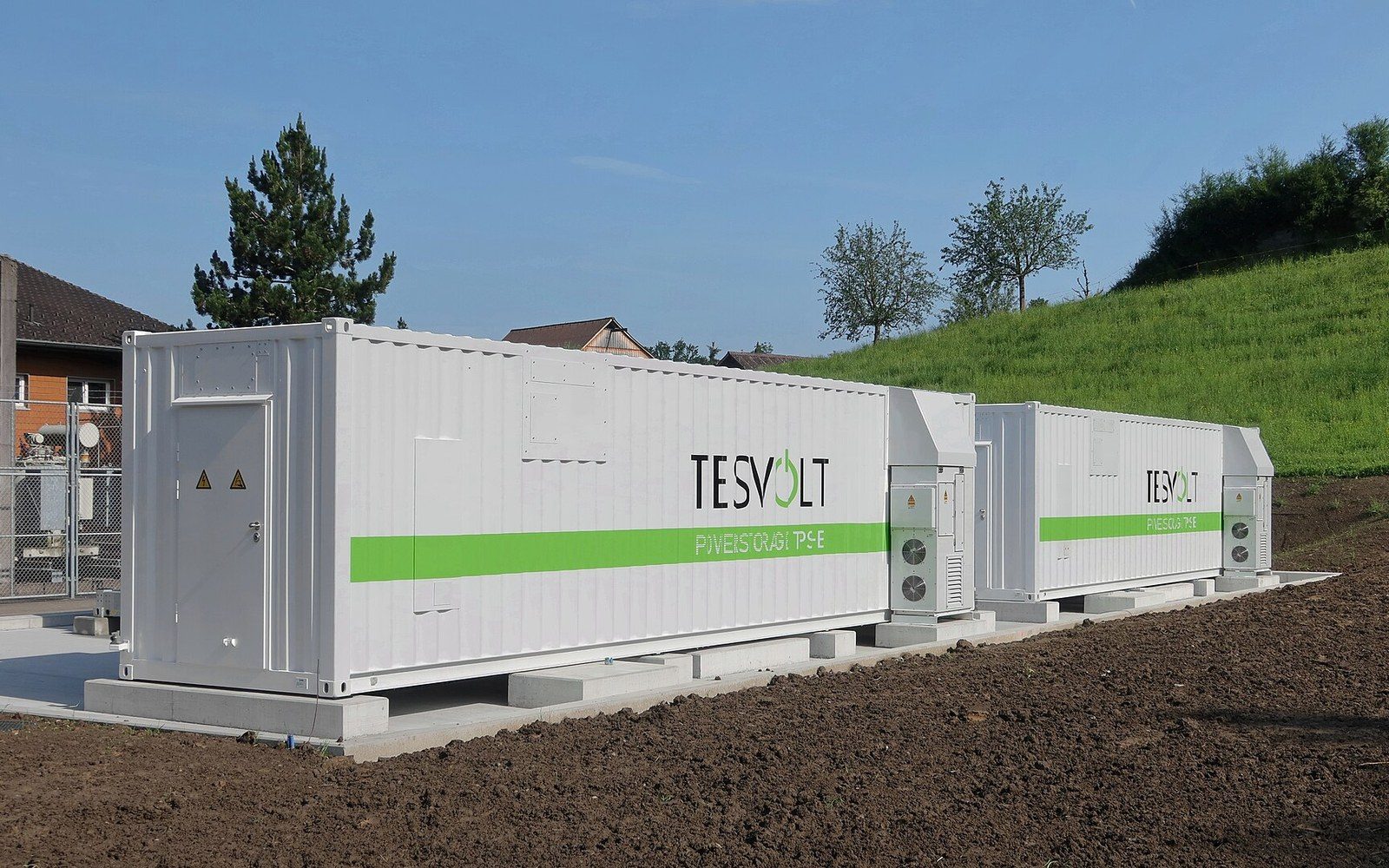
The two-hour system was, for most of the 2010s, the dominant configuration in utility-scale lithium-ion storage. Its value is speed, not volume. It can smooth the ramp when solar output drops suddenly, absorb a spike in demand, and — as the Hornsdale Power Reserve demonstrated in South Australia from 2017 — respond to a frequency drop in under a second, faster than any gas turbine can spool up. Two hours of capacity is enough for all of that because the event you are responding to lasts minutes, not the better part of a day.
Eight hours is a different engineering specification and a different economic case. It is long enough to carry power from midday — when a large solar field is generating more than the grid can absorb — through the evening demand peak and into the first hours of darkness. In desert climates, where solar sites like Al Dhafra in Abu Dhabi or the Bhadla complex in Rajasthan can sustain very high output for six or seven hours, an eight-hour store effectively converts daytime surplus into dispatchable evening power. That is a function a two-hour battery physically cannot perform.
The arithmetic of duration
The boundary that operators and planners tend to use is four hours. Below it, a storage system is predominantly a frequency-response and short-duration peaking tool; at four hours and above, it starts competing with gas peakers for the role of "dispatchable on demand." Above roughly eight hours, it begins to substitute for baseload — though that threshold depends heavily on the local generation mix and load profile. The International Energy Agency tracks storage deployment by duration class and the shift toward longer-duration systems is visible in procurement data from the early 2020s onward: a larger share of new contracts specify four-hour configurations, and several utilities in the United States and Australia have contracted or are building systems of six to twelve hours.
Eight hours is a different engineering specification and a different economic case.
Longer duration is not simply more batteries. The cost of a lithium-ion system scales with energy capacity — more hours means proportionally more cells, and the chemistry that performs well at high cycle rates (daily charge and discharge) is not always the same as the chemistry best suited to sitting charged for ten hours. Flow batteries, which store energy in liquid electrolyte tanks that are physically separate from the electrodes, scale cheaply on the energy axis: double the tank, double the hours. Their power-to-energy cost ratio is different from lithium-ion, which is why they appear more often in proposals for eight-hour-plus systems even though their installed base remains small.
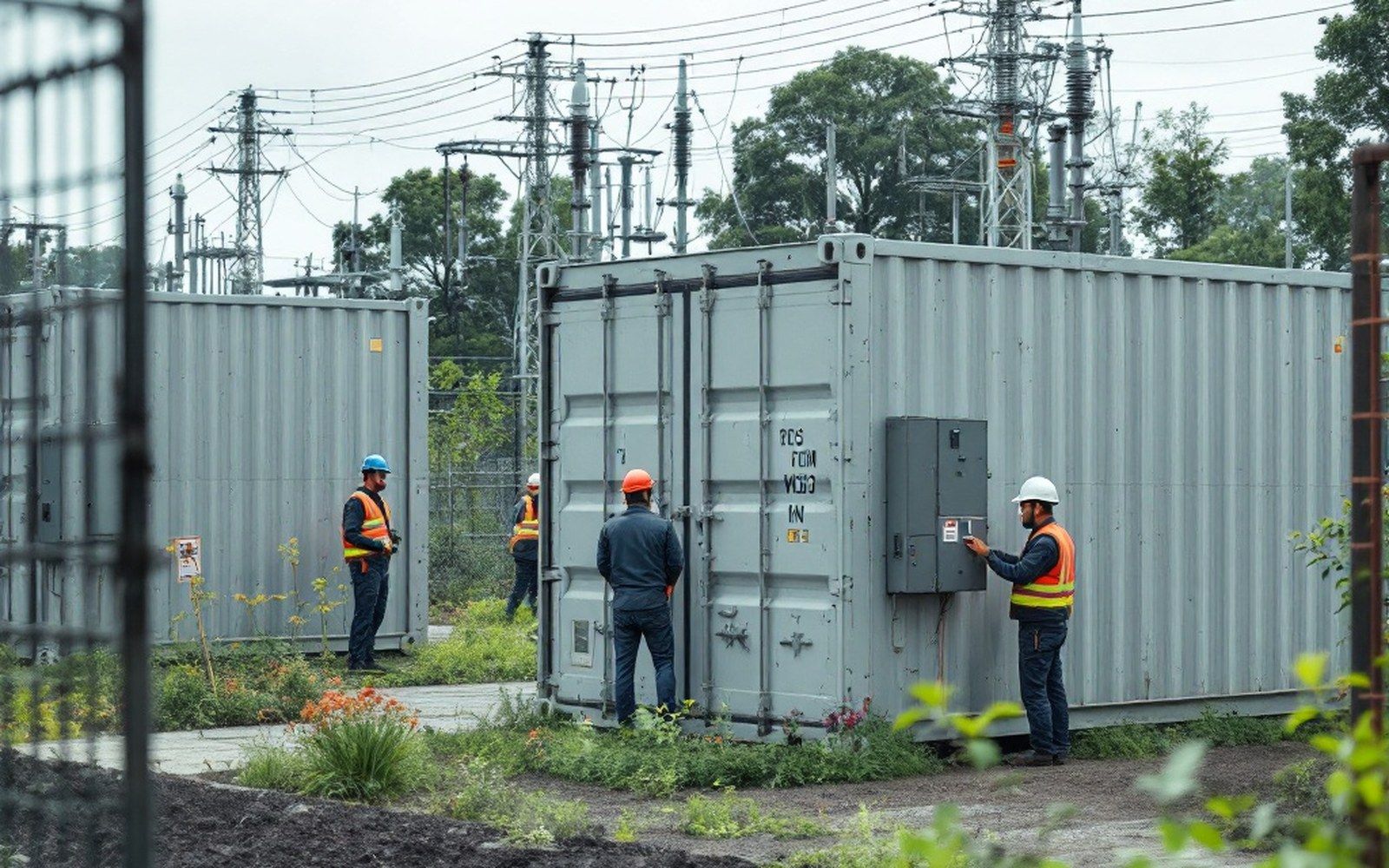
The outer limit of this range — the weeks and months of storage that would fully decouple renewable generation from seasonal demand — is where pumped hydro and the alternatives dominate. A pumped-hydro reservoir can hold energy for months at close to zero ongoing loss, something no current electrochemical system matches. But pumped hydro takes a decade to permit and build, and it needs a mountain. The middle ground, from four to roughly sixteen hours, is where the real contest is being run, in procurement offices and battery chemistry labs, right now.
What none of this changes is the basic arithmetic: a grid hour not covered by storage is a grid hour that needs something else. Duration is not an engineering detail. It is the question of whether storage is a tool for managing volatility or a substitute for generation that runs when the sun does not.