What is not lithium
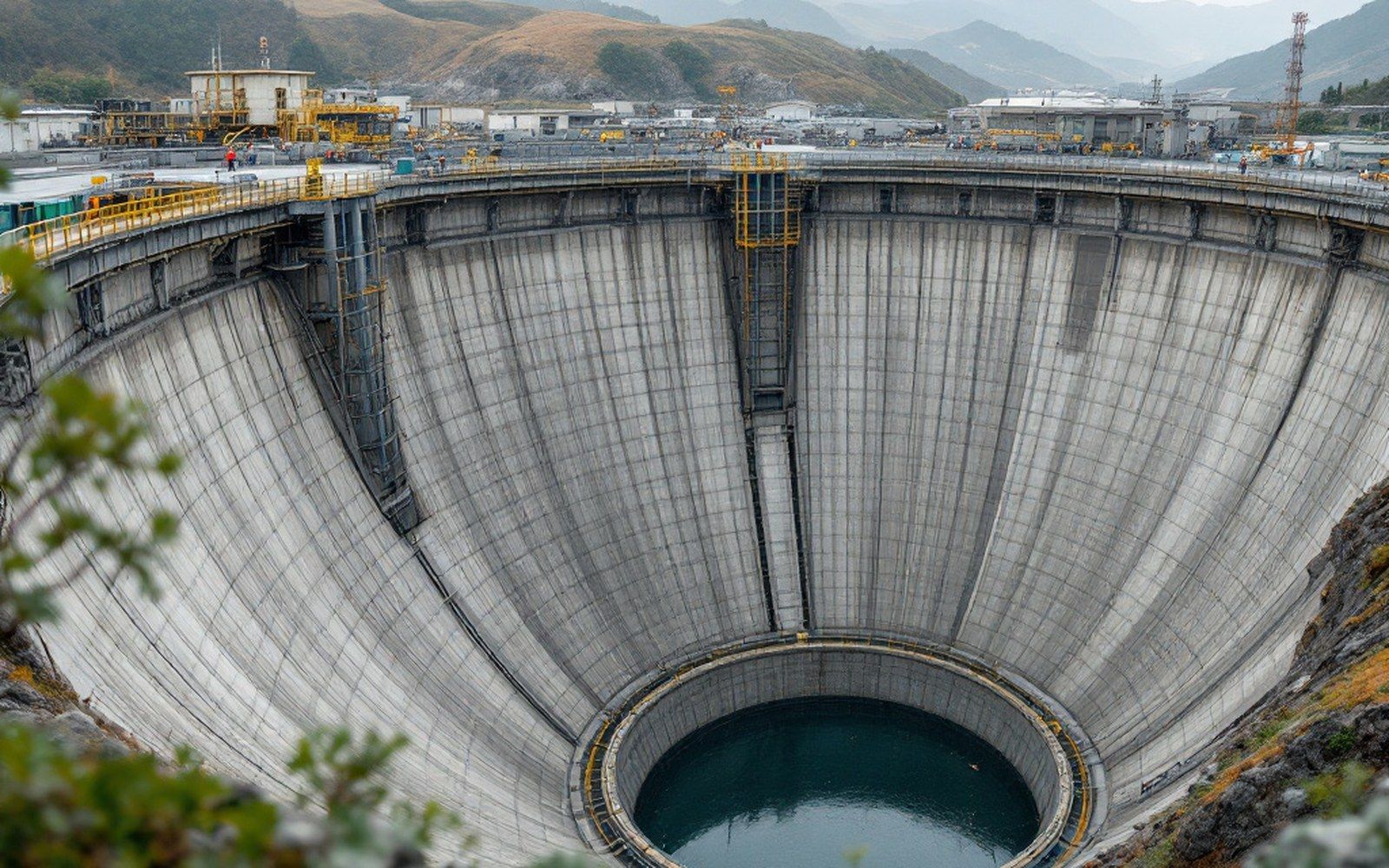
The world already stores most of its electricity without it
Lithium-ion batteries dominate headlines, but the largest storage technology in the world remains pumped hydro — two reservoirs at different elevations, with water moved up when electricity is cheap and released through turbines when it is needed. The International Energy Agency estimates that pumped hydro accounts for roughly 90 percent of the world's installed electricity storage capacity, measured in energy rather than power. It is a century-old technology that works at scales no battery has yet approached.
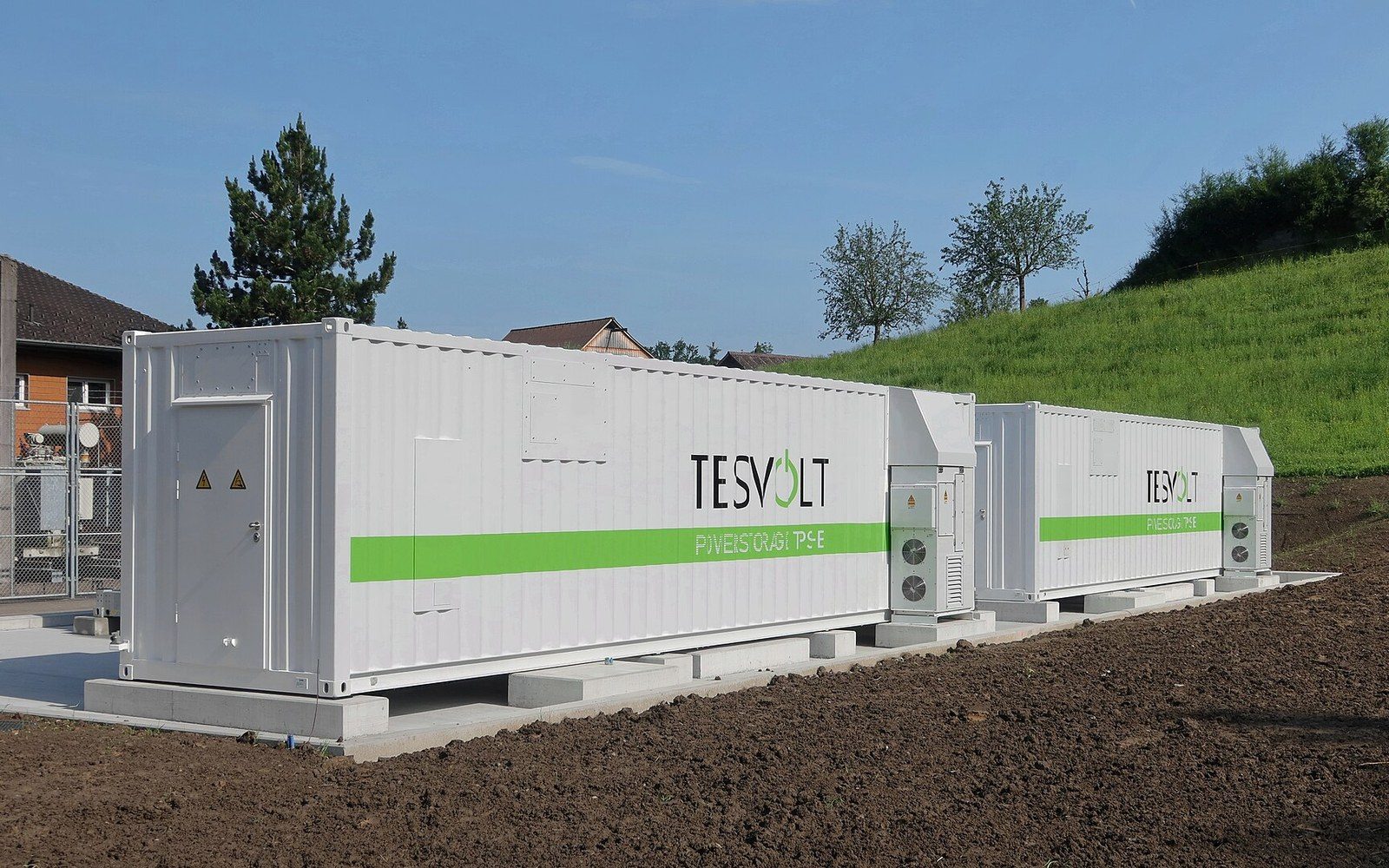
The choice of storage technology is almost always a question of duration. Lithium-ion is dense, fast to respond, and excellent for two to four hours of delivery. The Hornsdale Power Reserve in South Australia, the installation that answered a frequency drop in milliseconds, demonstrated exactly that use case. But grid operators increasingly need something that can hold energy for eight, twelve or twenty hours — a different engineering problem with different answers.
Compressed air and liquid air storage are thermal-mechanical approaches.
Alternatives by duration
Iron-air batteries store energy by rusting iron — oxidising it on discharge, reducing it on charge — using abundant materials and accepting low energy density in exchange for low cost per kilowatt-hour over long durations. Form Energy, based in the United States, has built pilot systems on this chemistry. Flow batteries, by contrast, store energy in liquid electrolytes held in external tanks; vanadium redox systems have been operating at commercial scale in China and Japan since the early 2010s, and their capacity can be expanded simply by enlarging the tanks.
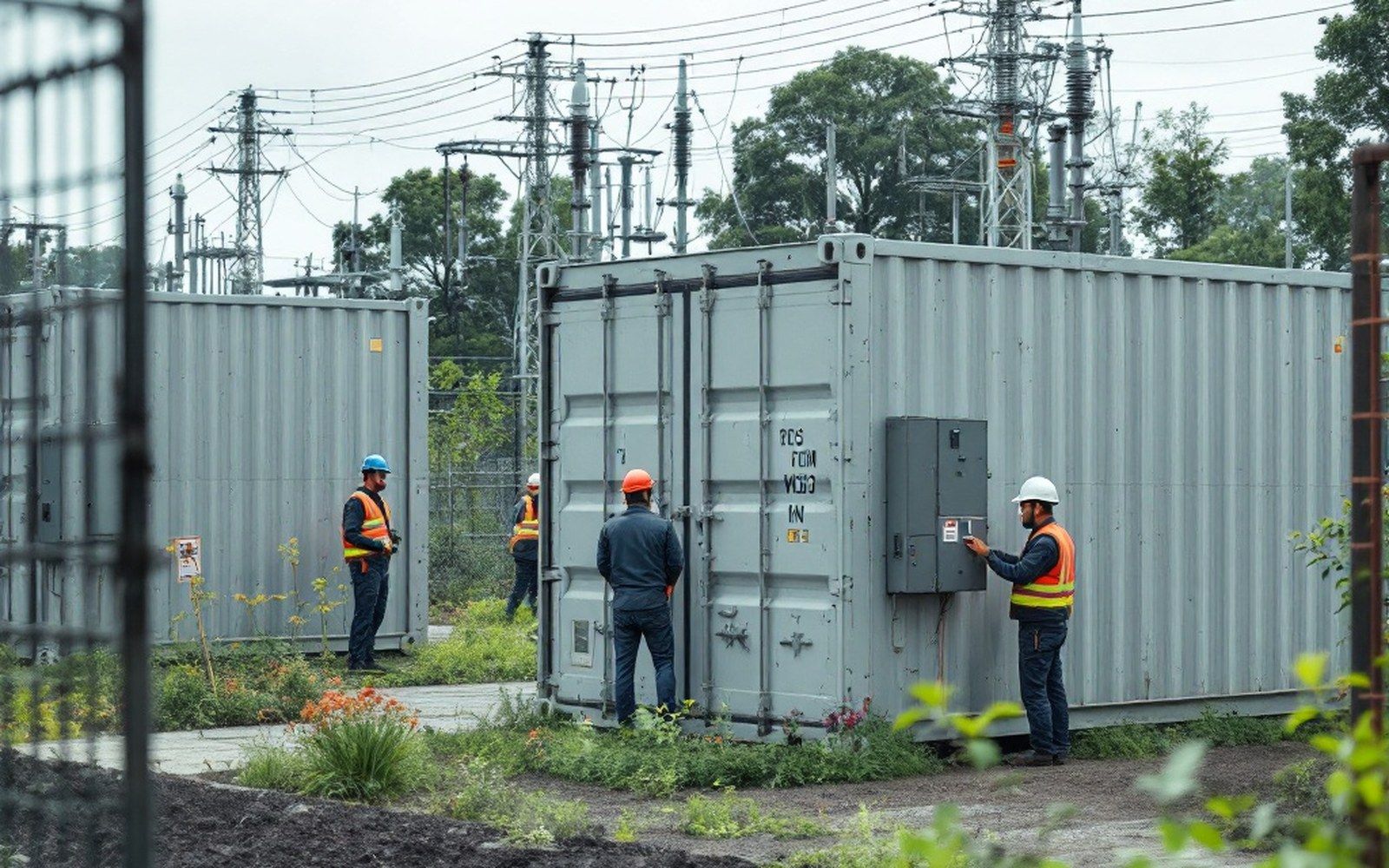
Compressed air and liquid air storage are thermal-mechanical approaches. The Highview Power LAES plant in the United Kingdom, developed over several years, stores energy by cooling air to liquid, then releases it by warming the liquid back to gas through a turbine. Round-trip efficiency is lower than lithium-ion, but the materials are ambient-temperature industrial equipment rather than electrochemical cells.
Gravity storage — raising and lowering heavy masses — sits between pumped hydro and a curiosity. ARES, the Advanced Rail Energy Storage project, tested the concept on a Nevada hillside using weighted rail cars. The physics is straightforward; the economics at scale are not yet settled.
What links all of these is duration. Lithium wins on density and speed; everything else trades those for hours.