Reducing Iron with Hydrogen
The carbon in the metal
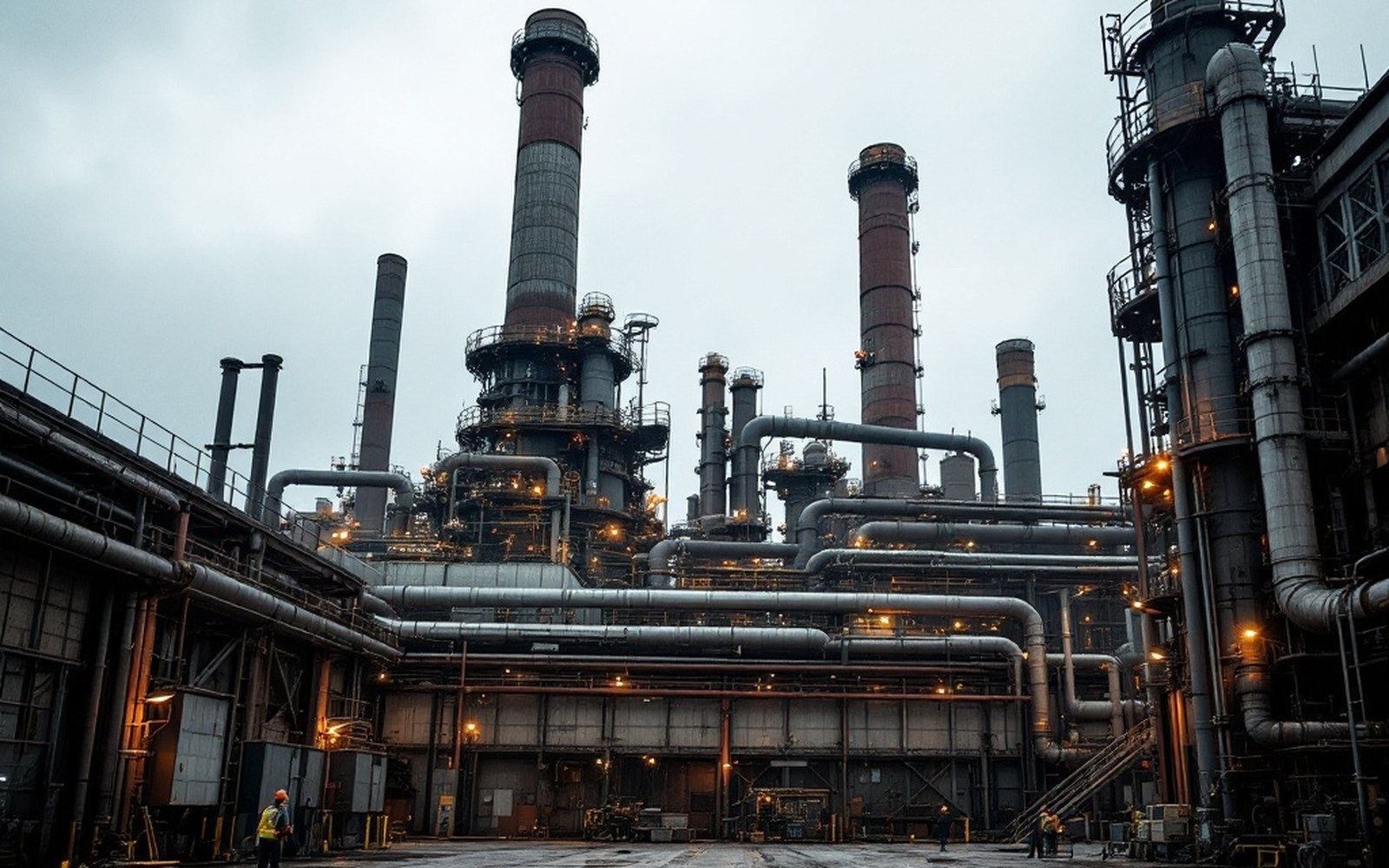
Steel is old chemistry. For more than two centuries, the dominant route has been to pile iron ore and coking coal into a blast furnace, burn the coal to produce carbon monoxide, and let that gas strip the oxygen from the ore. The iron drips out the bottom; the carbon dioxide goes up the stack. The process works at enormous scale — a single large blast furnace can produce more than ten thousand tonnes of iron per day — and it is ruthlessly optimised. It is also, in round numbers, responsible for about seven to nine percent of global carbon dioxide emissions, because carbon is not incidental to the process: it is the chemical agent doing the reduction.
The reductant does not have to be carbon. Hydrogen reacts with iron oxide too, and the product of that reaction is water vapour rather than carbon dioxide. That substitution is the basis of a significant wave of industrial investment, most of it begun since around 2020, and none of it yet at the scale of a working blast furnace fleet.
How the chemistry changes — and what it demands
The reduction of iron oxide with hydrogen proceeds through the same intermediate steps as carbon reduction — hematite to magnetite to wüstite to iron — but the thermodynamics are different in a way that matters for plant design. Carbon reduction is exothermic at high temperatures: the furnace partly heats itself. Hydrogen reduction of wüstite (the last step) is endothermic — it absorbs heat rather than releasing it. A hydrogen-based shaft furnace needs continuous external heat input to drive the final reduction stage, which adds both capital cost and energy demand.
The output is also different in form. A blast furnace produces liquid iron, called hot metal, which flows directly into a basic oxygen furnace for steelmaking. Hydrogen-based direct reduction produces solid sponge iron — technically direct reduced iron, or DRI — which is then fed into an electric arc furnace to melt and refine it into steel. The electric arc furnace already handles a large share of global scrap-based steelmaking, but pairing it with DRI rather than scrap changes the chemistry of the melt, the electrode consumption and the power draw. The entire back end of the plant is reconfigured.
The ore specification is also tighter. Blast furnaces tolerate a range of iron ore grades; direct reduction with hydrogen works best with high-grade pellets, typically above 67 percent iron content. Most of the world's iron ore, especially material from Australia and Brazil, requires upgrading before it can enter a hydrogen shaft furnace. That beneficiation step is itself energy-intensive and generates its own waste streams. The supply chain for suitable pellets is not yet large enough to feed a global transition.
Then there is the hydrogen itself. Producing it by electrolysis of water, using electricity from renewable sources, requires roughly 55 kilowatt-hours per kilogram of hydrogen. Reducing a tonne of iron takes approximately 50 to 55 kilograms of hydrogen, which means, in rough terms, something in the range of 2,750 to 3,000 kilowatt-hours of electricity per tonne of DRI — before the electric arc furnace adds its own load. For context, global crude steel production runs to about 1.9 billion tonnes per year. Supplying the electricity for hydrogen-based reduction at anything approaching that scale implies an enormous renewable build-out; the numbers sit at the outer edge of current grid planning horizons.
What is actually built
The serious hardware is in Sweden and Germany. The HYBRIT project — a joint venture between SSAB, LKAB and Vattenfall — began operating a pilot plant in Luleå in 2020, and has since produced trial volumes of hydrogen-reduced sponge iron. A demonstration plant at a larger scale is under construction in Gällivare, in northern Sweden, aiming for production from around 2026. The broader HYBRIT plan targets commercial-scale production by the early 2030s. The choice of Sweden is not arbitrary: Boden and the surrounding region of Norrbotten have access to large volumes of hydropower and an existing iron-ore mining and pelletising industry operated by LKAB. The feedstock, the electricity and the geological infrastructure are unusually co-located.
The serious hardware is in Sweden and Germany.
In Germany, the steelmaker Thyssenkrupp has been operating a direct reduction demonstration unit at its Duisburg site since 2019, initially running on natural gas and progressively substituting hydrogen. The company announced intentions to convert the first full-scale blast furnace route at Duisburg to a DRI and electric arc furnace configuration, with hydrogen use ramping as supply becomes available. H2 Green Steel, a startup, is developing a greenfield hydrogen steel plant at Boden in northern Sweden, with construction underway and a stated target of reaching significant production volumes in the mid-2020s. These timelines should be read against the history of large industrial projects, which rarely meet their first announced dates.
The scale of what exists now is a small fraction of what would be needed. According to the International Energy Agency, the iron and steel sector needs to cut emissions by more than half by 2050 to meet net-zero scenarios, and no single low-carbon pathway is yet demonstrated at commercial scale for primary iron production. Direct reduction using natural gas — without hydrogen — is a mature technology, operated for decades in the Middle East and elsewhere, and it provides a template for shaft furnace design; but the full substitution of green hydrogen is a different proposition both technically and economically.
What is not yet solved
Cost is the honest answer. Green hydrogen produced from electrolysis using renewable electricity is currently more expensive than the hydrogen produced from fossil methane that natural gas-based DRI plants use. The gap varies by location and electricity price, but analyses from Lawrence Berkeley National Laboratory and Fraunhofer ISE both suggest that green hydrogen steel will carry a cost premium over conventionally produced steel for at least the next decade under most scenarios, with the premium shrinking as electrolyser costs fall and renewable electricity prices continue their descent.
The carbon intensity of the electricity supply matters acutely. Hydrogen produced from a grid that still carries significant fossil generation reduces emissions relative to a blast furnace but does not eliminate them; the carbon accounting is sensitive to the marginal emissions factor of the power system in any given hour. A tonne of DRI produced with hydrogen from a coal-heavy grid may represent only modest improvement over coke-based reduction.
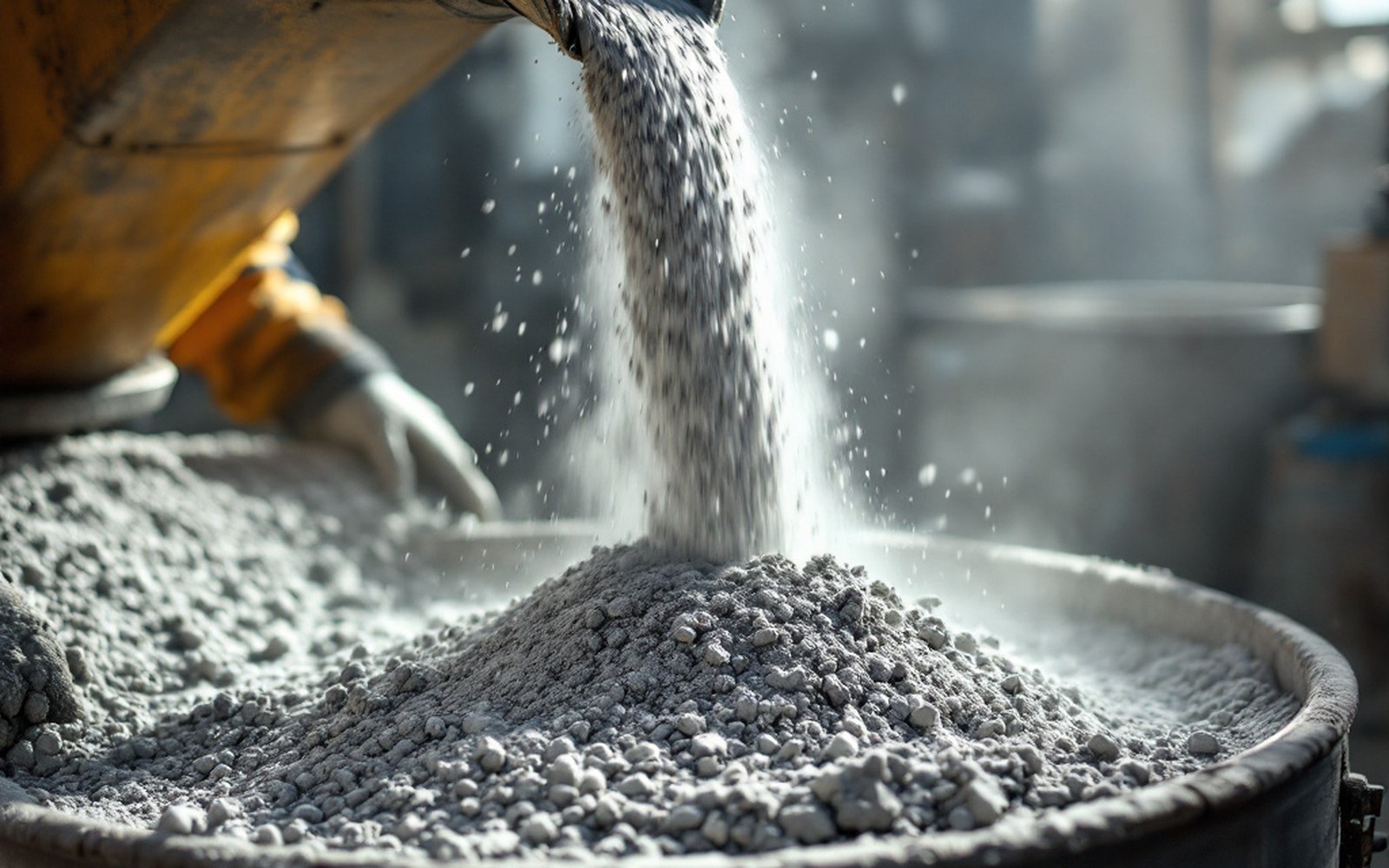
Ore quality remains a structural constraint. The global deposit base of high-grade iron ore suitable for direct reduction without extensive beneficiation is not large enough for a wholesale transition. LKAB's pellets from Kiruna and Malmberget in northern Sweden are high-quality, which is one reason Sweden is the site of the most advanced pilot work. Replicating those conditions in the ore basins of Western Australia or Minas Gerais in Brazil requires investment in beneficiation and pelletising infrastructure that does not yet exist at the required scale.
None of this makes hydrogen-based ironmaking a marginal idea. Every major steelmaker that has published a long-term decarbonisation plan treats some form of hydrogen direct reduction as a central technology. What it is, for now, is a proven chemistry, a small number of operating pilots, a set of real but unsolved supply chain problems, and a cost curve that has not yet started falling as steeply as the learning curves that transformed solar or lithium-ion batteries. The steel industry built its current infrastructure over more than a century; replacing it will not happen faster simply because the replacement has a cleaner exhaust.